How Often Should You Clean Travertine Pavers Outdoors?
Sweep outdoor travertine pavers weekly and give them a gentle wash about once a month as a starting point. On the Mornington Peninsula, coastal exposure, shaded gardens, autumn leaves and pool use can mean some areas need more frequent attention. Clean spills immediately, and assess your paving seasonally to decide whether it needs a deeper clean.


The aim is to remove dirt before it stains or encourages slippery growth, without damaging the stone through harsh chemicals or aggressive pressure washing.
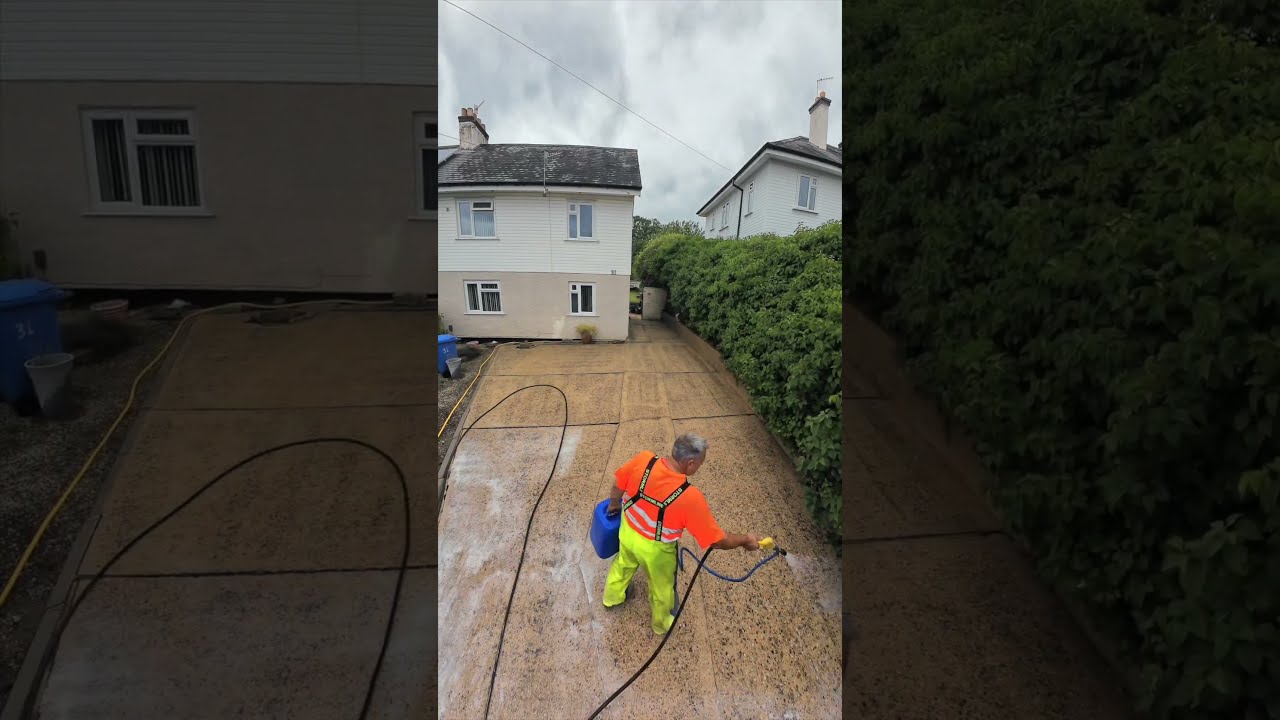
A Practical Cleaning Schedule for Outdoor Travertine
- Weekly: Sweep with a soft-bristled outdoor broom to remove sand, soil and leaves. Sweep more often near beach access points or beneath trees.
- Immediately after spills: Blot up oil, wine, food and other spills, then clean with a product suitable for natural limestone and travertine.
- Approximately monthly: Wash busy patios, paths and pool surrounds with a pH-neutral natural-stone cleaner, following its dilution instructions. Less-used, sheltered areas may need washing less often.
- Every three to six months: Check for embedded dirt, algae, staining and drainage problems. Deep-clean only where the condition of the paving warrants it.
- Annually: Review the condition of the stone, joints and any sealer. Consider professional cleaning if routine maintenance no longer removes the buildup.
Why Mornington Peninsula Conditions Affect Cleaning Frequency
Coastal Sand and Salt Spray
Sand can act as an abrasive underfoot, while salt spray can leave deposits on exposed paving. For coastal properties around areas such as Rye, Sorrento and Mount Martha, regular sweeping and an occasional gentle freshwater rinse help limit surface accumulation. Avoid soaking the paving unnecessarily, and ensure water drains away rather than pooling.
Shade, Rain and Garden Debris
Shaded paving that stays damp can develop algae and become slippery. Inspect these areas during wetter months and remove leaves promptly to reduce organic staining. Improving drainage and trimming overhanging vegetation, where practical, can help surfaces dry more readily.
Pool Surrounds and Entertaining Areas
Sunscreen, cooking oils and food spills call for prompt spot cleaning. Around pools, rinse away splash residue as needed and avoid leaving concentrated pool chemicals on the stone. Sealing can reduce absorption, but it does not make travertine stain-proof or resistant to chemical damage.
How to Clean Travertine Pavers Safely
- Remove loose debris: Sweep before wetting the surface so grit does not get scrubbed into the stone.
- Test the cleaner: Choose a pH-neutral cleaner labelled suitable for travertine and test it in an inconspicuous area.
- Wash gently: Work in manageable sections with a soft brush. Follow the product’s contact time and do not let the solution dry on the paving.
- Rinse thoroughly: Use gentle water pressure to remove residue, keeping runoff out of stormwater drains where it contains cleaning chemicals.
- Allow to dry: Keep foot traffic off wet, slippery areas and check for remaining marks once the stone is dry.
Avoid vinegar, acidic patio cleaners and brick-cleaning acids. Travertine is a calcium-carbonate stone, so acids can etch its surface. Avoid wire brushes and aggressive pressure washing, which https://morningtonpeninsulapressurewashing.com.au/solar-panel-cleaning/ can damage the stone, dislodge filler or disturb joints. For algae or stubborn stains, use a treatment specifically approved for the stone and its sealer.
Does Sealed Travertine Need Less Cleaning?
A suitable penetrating sealer can make spills easier to remove, but sealed pavers still need routine sweeping and washing. Resealing frequency depends on the product, exposure, wear and stone condition rather than a universal yearly schedule. Follow the sealer manufacturer’s maintenance guidance and have uneven absorption or persistent dark patches assessed before applying more product.
When to Arrange Professional Travertine Cleaning
Consider a local Mornington Peninsula stone-cleaning service if your paving has persistent slippery growth, oil stains, recurring white deposits or deteriorating joints. These issues can require different treatments, and recurring deposits may indicate a moisture problem rather than simply a dirty surface.
Regular gentle maintenance is better than infrequent aggressive cleaning. Start with weekly sweeping and monthly washing, then adjust to how quickly your particular outdoor area becomes dirty.
Mornington Peninsula Pressure Washing
(03) 8686 8331